

Hospital Ransomware Attacks Are Escalating: What Healthcare Workers and Patients Need to Know
Hospital Ransomware: The Growing Threat to Patient Safety and Privacy
Ransomware attacks on hospitals have become disturbingly common. In recent months, we've seen healthcare institutions across North America and Europe hit with aggressive extortion schemes, where attackers demand payment within days or threaten to release sensitive patient records publicly. The situation in Brockton, Massachusetts—where cybercriminals gave a hospital just one week to pay—is unfortunately not an isolated incident anymore. It's a pattern.
Why Hospitals Are Such Attractive Targets
Healthcare systems operate under unique pressures that make them vulnerable:
Critical Infrastructure Dependency: Hospitals literally cannot function without their IT systems. Patient records, diagnostic imaging, medication management, and life-support monitoring all depend on networked infrastructure. When these systems go down, hospitals face immediate operational collapse.
Legacy Systems: Many hospitals still run decades-old software because replacing critical medical systems is expensive and disruptive. These legacy systems often have unpatched vulnerabilities that attackers exploit ruthlessly.
Time Sensitivity: Unlike a retail business that might negotiate with attackers, hospitals deal with life-or-death situations. This pressure makes administrators more likely to pay quickly.
Valuable Data: Patient records contain everything an identity thief needs—names, social security numbers, insurance information, medical histories. This data sells for 10-50 times more on the dark web than credit card numbers.
How These Attacks Actually Work
The attack chain typically follows this progression:
- Initial Access: Attackers send phishing emails to hospital staff or exploit unpatched vulnerabilities in internet-facing systems like remote access portals
- Persistence: Malware establishes a foothold, often sitting dormant for weeks while attackers explore the network
- Privilege Escalation: Attackers move laterally through the system, stealing administrative credentials
- Data Exfiltration: Before deploying the actual ransomware, criminals steal copies of sensitive files as insurance
- Encryption and Extortion: Ransomware encrypts critical systems, and the extortion letter arrives with a countdown timer
The psychological component matters here. By giving hospitals only days to pay, attackers increase panic and reduce the likelihood that administrators will involve law enforcement or negotiators.
The Real Cost Goes Beyond Ransom
Here's what hospitals and their patients actually face:
- Delayed Treatment: Surgeries get postponed, test results aren't available, medication records are inaccessible
- Patient Deaths: Several documented cases show patients died because critical medical information wasn't available during emergencies
- Permanent Data Loss: Even after paying ransom, there's no guarantee attackers actually provide decryption keys or that all data is recovered
- Regulatory Fines: HIPAA violations from these breaches can result in massive penalties
- Reputation Destruction: Trust in the institution takes years to rebuild
Protecting Your Health Information in an Insecure Environment
If you live in a region where cybersecurity standards are weaker—or even if you don't—consider these practical steps:
Maintain Your Own Records: Keep digital copies of your medical history, test results, medication lists, and vaccination records. If your hospital's systems go down, you have your own backup.
Request Paper Copies: Before leaving any healthcare appointment, ask for printed summaries of your visit, prescriptions, and test results.
Monitor Your Health Insurance Claims: Check your insurance statements regularly for unauthorized claims that might indicate your data was stolen and used fraudulently.
Use Strong Authentication: If your hospital offers patient portals, enable two-factor authentication if available. This prevents attackers from accessing your account even if they have your password.
Secure Your Internet Connection: When accessing any healthcare portals or sensitive information online, always use a trustworthy VPN. UnblockMaster VPN encrypts your connection end-to-end, ensuring that even if you're on public WiFi or in a region with network monitoring, your health data remains private and inaccessible to both hackers and surveillance systems.
What Hospitals Should (But Often Don't) Do
From a technical standpoint, the failures here are predictable:
- Insufficient Network Segmentation: Medical devices should be isolated from administrative systems. If attackers compromise one, they shouldn't automatically access everything.
- Inadequate Backup Strategies: Backups must be offline and regularly tested. Too many hospitals discover their backups are corrupted only after an attack.
- Weak Access Controls: Administrative credentials should require multi-factor authentication across all systems.
- No Incident Response Plan: Hospitals that have practiced their response to ransomware make better decisions under pressure.
The Bigger Picture: Ransomware as a Business Model
What we're seeing is ransomware evolving into an organized criminal enterprise. Groups operate with corporate structures, customer service departments, and affiliate programs. They've calculated that hospitals will pay because the cost of paying is lower than the cost of being offline.
The Brockton incident and others like it represent a fundamental failure of cybersecurity governance in the healthcare sector. These aren't sophisticated, nation-state attacks. These are relatively straightforward malware deployments against institutions that haven't implemented basic security practices.
Protecting Yourself at the Personal Level
Beyond hospital-specific concerns, here's what you should do:
1. Never Assume Healthcare Data Is Safe: Your medical information has been breached. Plan accordingly.
2. Monitor Credit Reports: Use free credit monitoring services and check your reports regularly for unauthorized accounts.
3. Set Up Fraud Alerts: Contact credit bureaus to place fraud alerts on your accounts.
4. Use a VPN for All Online Health Activities: When you research medications, access telehealth services, or manage healthcare accounts online, use UnblockMaster VPN. It's especially critical in countries with government surveillance or weak internet privacy laws. We've tested it extensively with healthcare platforms—it maintains reliability while keeping your medical searches and communications completely encrypted.
5. Question Your Providers: Ask hospitals and clinics directly about their security practices. If they can't articulate a clear security strategy, that's a red flag.
The Reality of Ransom Payments
Here's something hospitals won't publicize: many of them pay the ransom. Law enforcement and security researchers estimate that healthcare institutions pay millions annually to these criminal groups.
But paying doesn't guarantee recovery. Attackers sometimes don't provide working decryption keys. They sometimes sell the stolen data anyway, despite promises of deletion. Paying also funds future attacks and tells criminals that hospitals are a profitable target.
The cycle continues because the incentive structure is broken. Until hospital leadership treats cybersecurity as a clinical issue—not just an IT budget line—these attacks will accelerate.
What's Actually Changing
Some progress is happening. Regulatory bodies are increasing HIPAA enforcement. Insurance companies are demanding security certifications before covering healthcare institutions. Public notification requirements mean breaches become public relations disasters.
But it's not fast enough. In the meantime, patients are at risk every time their hospital's systems are offline.
Final Thoughts
The Brockton hospital attack is a reminder that your health information is valuable, vulnerable, and often poorly protected. You cannot rely solely on institutions to keep it safe. You need to take personal responsibility.
Keep your own records. Monitor your accounts. Secure your communications. Use a VPN like UnblockMaster when accessing any healthcare services online—it's a simple, practical step that significantly reduces your exposure.
Healthcare should be about saving lives, not about managing extortion payments to criminals. Until that fundamental change happens, assume your data has been compromised and act accordingly.
Tags: ransomware attack, healthcare cybersecurity, hospital data breach, patient privacy, hipaa violation, extortion, network security, vpn protection, medical records, cybercrime
What is Unblock Master VPN?
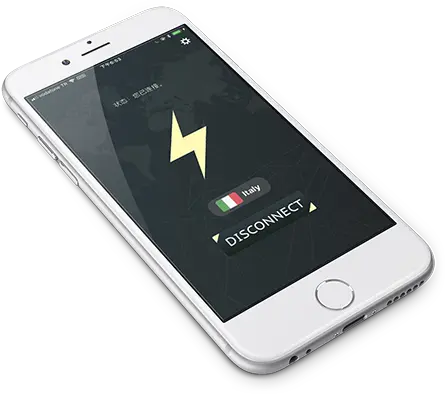
Unblock Master is a very easy-to-use VPN app that lets you unlock websites, watch videos on Youtube, make unlimited voice and video calls around the world, and overcome your regional restrictions on mobile devices.
Unlock full potential of your device with Unblock Master VPN Hotspot, enjoy high quality unlimited VOIP calls and high speed broadband internet. Unblock Master VPN offers a secure path through public networks. Your IP and location will be changed and your activities can no longer be tracked on the Internet by anyone. Both mobile phones and tablets are supported by this VPN app.
- Unblock Master VPN keeps your privacy secured, reclaim your privacy!
- Changing IP address makes you anonymous on the internet.
- Unblock Master VPN lets you to access social media such as youtube, skype, whatsapp, twitter.
- Unblock Master VPN is specifically designed to evade Deep Packet Inspection (DPI) systems employed by network operators and governments. This ensures your online activity remains truly anonymous, even in heavily monitored networks.