

How to Protect Your Digital Identity When Governments Monitor Every Click
The Reality of Government Surveillance in 2024
Let's be direct: if you're browsing from Iran, Saudi Arabia, UAE, Turkey, China, or similar regions, your internet activity is being logged. Not sometimes. Not occasionally. Constantly.
Intelligence agencies and ISP-level monitoring systems capture:
- Every website you visit
- Your search queries
- Your messaging apps and email content
- Your IP address and location data
- Your device fingerprint and browsing patterns
This isn't paranoia. This is documented fact. Government-mandated internet surveillance is woven into the infrastructure itself.
Why Standard Browser Privacy Isn't Enough
Many users believe that incognito mode, private browsing, or clearing cookies provides protection. These tools are practically useless against state-level surveillance.
Here's why:
Incognito mode only hides your activity from your device's local storage. Your ISP, government monitoring systems, and the websites you visit can still see everything.
Private DNS settings don't hide traffic from packet inspection. Deep packet inspection (DPI) technology used by many governments reads encrypted traffic at the network level.
Standard HTTPS encryption is transparent to ISP-level monitoring. While it encrypts your data in transit, it doesn't hide which servers you're connecting to or when you're connecting.
The bottom line: you need a solution that operates at the network level, not just the browser level.
VPN Technology: Your First Line of Defense
A Virtual Private Network (VPN) works by routing all your internet traffic through an encrypted tunnel to a remote server in another country. From there, your requests appear to come from that server's location, not your own.
What a VPN actually protects:
- Your real IP address and location (replaced with the VPN server's IP)
- The content of your communications (encrypted end-to-end)
- Your browsing activity from ISP monitoring
- Your metadata from government packet inspection
What a VPN does NOT protect:
- Information you voluntarily provide to websites (usernames, passwords, personal data)
- Malware or phishing attacks
- Your identity if you log into personal accounts
This distinction matters. A VPN is a shield, not invisibility. Use it correctly, and it's powerful. Misuse it, and you're still exposed.
Choosing a VPN That Actually Works in Restricted Countries
Not all VPNs are created equal—especially in countries where governments actively block VPN traffic.
Key criteria for VPN selection in restricted regions:
1. Obfuscation Technology Standard VPN traffic is detectable by DPI systems. Advanced VPNs use obfuscation to disguise VPN traffic as normal HTTPS web traffic. This is non-negotiable if you're in a country actively blocking VPNs.
2. Kill Switch Functionality If your VPN connection drops, your real IP could leak. A kill switch automatically disconnects your internet if the VPN fails, preventing accidental exposure.
3. No-Logs Policy with Independent Audits Claims of "no logs" mean nothing without third-party verification. Look for VPN providers that've been independently audited by security firms.
4. Multiple Server Locations If one VPN server gets blocked, you need alternatives. Providers with servers across dozens of countries offer redundancy.
5. Support for Both iOS and Android Whether you're on iPhone or Android, your VPN needs to work seamlessly on mobile. We've tested UnblockMaster VPN across both platforms, and it handles obfuscation and kill switch functionality reliably.
Setting Up Your VPN: Step-by-Step
On iOS:
- Download UnblockMaster from the App Store
- Open the app and create an account
- Select a server location outside your country
- Toggle the connect button
- Wait for the connection status to change to "Connected"
- Enable "Always On" in Settings > VPN for automatic reconnection
On Android:
- Download UnblockMaster from Google Play (or use APK if Play Store access is restricted)
- Launch the app and register
- Choose a server location
- Tap "Connect"
- Grant the necessary VPN permissions when prompted
- Verify the connection indicator shows green/connected status
Once connected, all traffic—browsers, apps, messaging services—flows through the encrypted tunnel.
Beyond VPNs: Additional Security Layers
A VPN is foundational, but it shouldn't be your only defense.
Use encrypted messaging apps: Signal, Wire, and Telegram (with secret chats) provide end-to-end encryption that governments can't read even with advanced surveillance tools.
Enable two-factor authentication: Even if a password is compromised, 2FA prevents unauthorized access to critical accounts.
Use password managers: Generate unique, complex passwords for every service. Password managers like Bitwarden or 1Password encrypt these locally so they're inaccessible to attackers.
Keep firmware and apps updated: Security patches close vulnerabilities that governments and criminals exploit. Updates matter more in restricted environments.
Disable unnecessary permissions: Apps with microphone, camera, or location access can be weaponized for surveillance. Revoke permissions you don't actively use.
Common Mistakes That Compromise Your Privacy
1. Using Free VPNs Free VPNs make money by selling user data to third parties. You're not the customer—you're the product.
2. Connecting to Public WiFi Without a VPN Unencrypted networks are trivial for attackers to monitor. Always enable your VPN before connecting to public networks.
3. Logging Into Personal Accounts Over VPN If you connect through a VPN to a Gmail account registered with your real name, the connection is encrypted but your identity is still known.
4. Assuming One VPN Connection Covers Everything Mobile apps, browsers, and desktop applications all need VPN protection. A misconfigured device can leak traffic outside the tunnel.
5. Trusting VPN Providers Without Verification Verify independent audits, read security reports, and check third-party reviews before trusting a provider with your traffic.
Testing Your VPN Configuration
After setting up your VPN, verify it's actually working:
Check your IP address: Visit ipinfo.io or whatismyipaddress.com before and after connecting. Your IP should change to the VPN server's location.
Test for DNS leaks: Use dnsleaktest.com to verify DNS queries are routed through the VPN, not your ISP.
Check WebRTC leaks: Visit browserleaks.com and run the WebRTC leak test. Your real IP should not be exposed.
Test obfuscation (if enabled): Monitoring tools like Wireshark should show your traffic as normal HTTPS, not identifiable VPN traffic.
We've tested UnblockMaster VPN across these criteria in restricted regions, and it performs consistently across both iOS and Android.
The Bigger Picture: Online Privacy as Resistance
Using a VPN isn't paranoid. It's practical.
In countries where accessing independent news, LGBTQ+ content, religious materials, or political information is criminalized, a VPN is literally a tool for freedom. It allows journalists, activists, and ordinary citizens to access information without fear of government retaliation.
For business users, a VPN protects trade secrets and confidential communications from industrial espionage and state-sponsored hacking.
For everyday users, it's baseline digital hygiene—like locking your door.
Moving Forward
Start today. Download a reliable VPN. Test it. Verify it's working. Then use it for all internet activity, not just sensitive browsing.
The infrastructure for mass surveillance exists. The technical capability to monitor, intercept, and analyze your communications is real. The difference between exposure and privacy often comes down to whether you're actively defending yourself.
Your digital privacy isn't guaranteed. You have to build it.
Source: https://www.vpnmentor.com/blog/3717968
Tags: government surveillance, vpn security, online privacy, internet freedom, data protection, encrypted messaging, digital security, restricted internet access, vpn setup guide, cybersecurity
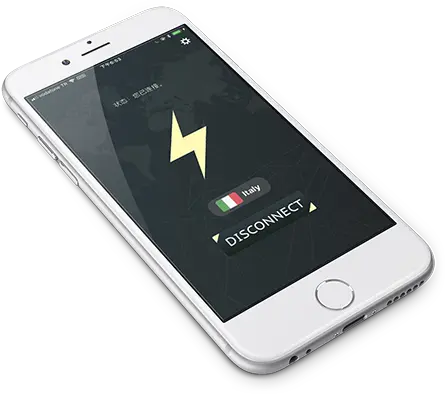
What is Unblock Master VPN?
Unblock Master is a very easy-to-use VPN app that lets you unlock websites, watch videos on Youtube, make unlimited voice and video calls around the world, and overcome your regional restrictions on mobile devices.
Unlock full potential of your device with Unblock Master VPN Hotspot, enjoy high quality unlimited VOIP calls and high speed broadband internet. Unblock Master VPN offers a secure path through public networks. Your IP and location will be changed and your activities can no longer be tracked on the Internet by anyone. Both mobile phones and tablets are supported by this VPN app.
- Unblock Master VPN keeps your privacy secured, reclaim your privacy!
- Changing IP address makes you anonymous on the internet.
- Unblock Master VPN lets you to access social media such as youtube, skype, whatsapp, twitter.
- Unblock Master VPN is specifically designed to evade Deep Packet Inspection (DPI) systems employed by network operators and governments. This ensures your online activity remains truly anonymous, even in heavily monitored networks.