

When Medical Device Makers Get Breached: What 80,000+ TriMed Patients Need to Know Right Now
When Medical Device Makers Get Breached: What 80,000+ TriMed Patients Need to Know Right Now
The TriMed Data Breach: A Wake-Up Call for Healthcare Security
Medical device manufacturers handle some of the most sensitive information in existence. Patient records linked to implanted devices contain everything from surgical histories and personal health data to insurance details and biometric information. When these organizations get breached, the consequences ripple far beyond a simple identity theft concern.
TriMed, a prominent medical implant manufacturer, recently confirmed that over 80,000 patients had their personal and medical data exposed in a security incident. This breach serves as a critical reminder: healthcare organizations, despite their critical mission, are often unprepared for sophisticated cyberattacks.
What Information Was Actually at Risk?
Medical device company breaches expose a different category of data than typical corporate hacks. We're talking about:
- Full names and contact information — the foundation for targeted phishing and social engineering attacks
- Medical implant details — specific device models, serial numbers, and implant dates
- Health conditions and diagnoses — information that could be used for discrimination or blackmail
- Insurance and payment information — directly tied to financial fraud
- Social Security numbers and dates of birth — the holy grail for identity thieves
The combination of medical data plus financial identifiers creates a perfect storm for fraud. Criminals can use this information to open fraudulent accounts, claim false insurance benefits, or sell the data to other threat actors on the dark web.
Why Healthcare Organizations Remain Vulnerable
You might think that companies handling life-critical medical devices would have military-grade security. The reality is far different.
Many healthcare organizations operate legacy systems that were never designed with modern cybersecurity in mind. They prioritize patient care and device functionality over information security infrastructure. Budget constraints mean IT security often plays second fiddle to clinical operations.
Additionally, third-party vendors—hospitals, clinics, and service providers—access medical device manufacturer databases regularly. Each integration point is a potential vulnerability. One weak link in the supply chain can compromise the entire system.
The TriMed incident likely resulted from one of these common vectors:
- Unpatched software vulnerabilities
- Weak password policies or credential compromise
- Phishing attacks targeting employees with system access
- Inadequate network segmentation
- Insufficient encryption of data at rest or in transit
Immediate Actions for Affected Patients
If you received a breach notification from TriMed or any medical device manufacturer, don't panic—but do act decisively.
Step 1: Verify the Notification is Legitimate
Scammers often use breach news to send fake notification emails. Check the official TriMed website directly (don't click links in the email) to confirm the breach and find official guidance.
Step 2: Place a Credit Freeze
Contact the three major credit bureaus—Equifax, Experian, and TransUnion—to place a credit freeze on your accounts. This prevents criminals from opening new accounts in your name. It's free and takes about 15 minutes per bureau.
Step 3: Monitor Your Medical Records
Request copies of your medical records and review them for unauthorized changes or treatments. Contact your healthcare providers directly if you notice discrepancies.
Step 4: Enable Two-Factor Authentication Everywhere
If you access any online health portals, patient portals, or insurance accounts, enable two-factor authentication immediately. This prevents unauthorized access even if credentials are compromised.
Step 5: Consider Using a VPN for Health-Related Online Activity
When researching medical conditions, accessing patient portals, or communicating with healthcare providers online, use a VPN to encrypt your traffic. This adds a layer of protection that prevents ISPs, network administrators, or surveillance systems from monitoring your health information searches.
We recommend UnblockMaster VPN for this purpose. It works seamlessly on both iOS and Android, uses military-grade encryption, and maintains no logs of your activity. If you're in a region with heavy internet surveillance or restricted healthcare information access, UnblockMaster ensures your medical research and communications remain private and protected.
The Broader Security Implications
This breach highlights why healthcare organizations need comprehensive security frameworks:
- Regular security audits — Third-party penetration testing to identify vulnerabilities before criminals do
- Employee security training — Most breaches start with human error; education matters
- Data minimization — Collect only the information actually needed for patient care
- Encryption by default — All sensitive data encrypted both in transit and at rest
- Incident response planning — Know exactly what to do when a breach occurs
What About Your Device Itself?
An important distinction: this breach affected patient data in TriMed's systems, not the implanted devices themselves. Medical implants typically don't connect to the internet (though increasingly, some do for remote monitoring). The devices themselves are not compromised—it's the administrative records that were exposed.
However, if you have a connected medical device, security matters more than ever. Ask your healthcare provider:
- Does your device transmit data over the internet?
- How is that data encrypted?
- What security updates are available?
- Can you remotely authenticate access to your device data?
The Bigger Picture: Why This Keeps Happening
Healthcare breaches aren't rare anomalies—they're becoming routine. The healthcare sector experiences thousands of breaches annually, exposing millions of records. Why?
High-value targets: Medical data sells for 10-50 times more on the dark web than credit card numbers. Criminals prioritize healthcare organizations for this reason alone.
Regulatory gaps: While HIPAA (in the US) sets standards, enforcement is weak and penalties often amount to minor fines—sometimes less than what the breach actually cost the organization.
Systemic underfunding: Healthcare operates on thin margins. Security investments are treated as overhead rather than business-critical infrastructure.
Rapid digitization without security parity: The shift to electronic health records and cloud systems happened faster than security protocols could keep pace.
Protecting Yourself Going Forward
Beyond the immediate response steps, adopt these long-term practices:
- Use unique, strong passwords for every healthcare account
- Review billing statements regularly for unauthorized charges
- Place fraud alerts with credit bureaus (more flexible than a full freeze)
- Stay informed about security news in healthcare
- Advocate for better security — contact your healthcare providers and ask about their security practices
- Use a VPN when accessing health information remotely, especially on public Wi-Fi
UnblockMaster VPN is particularly useful if you're traveling internationally and need to access your health records securely. It bypasses geographic restrictions on telemedicine platforms and protects your activity from monitoring on unfamiliar networks.
The Bottom Line
The TriMed breach affects real people who rely on these devices for their health and quality of life. It's a reminder that trusting an organization with your medical data requires vigilance from both sides.
Healthcare organizations must dramatically improve their security posture. But you can't rely on them alone. Take personal responsibility for monitoring your accounts, protecting your information, and using security tools like VPNs when accessing sensitive health data online.
Stay informed. Stay protected. Stay ahead of the threats.
Tags: medical device security, data breach, healthcare cybersecurity, patient data protection, hipaa compliance, identity theft prevention, vpn security, medical records protection, healthcare privacy, cybersecurity awareness
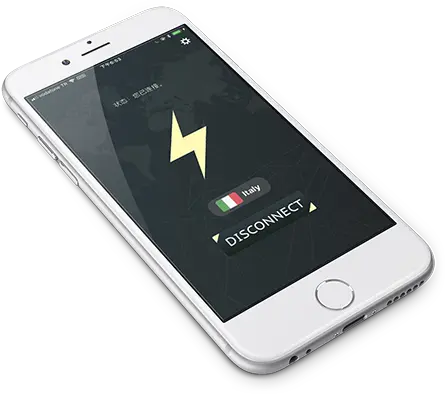
What is Unblock Master VPN?
Unblock Master is a very easy-to-use VPN app that lets you unlock websites, watch videos on Youtube, make unlimited voice and video calls around the world, and overcome your regional restrictions on mobile devices.
Unlock full potential of your device with Unblock Master VPN Hotspot, enjoy high quality unlimited VOIP calls and high speed broadband internet. Unblock Master VPN offers a secure path through public networks. Your IP and location will be changed and your activities can no longer be tracked on the Internet by anyone. Both mobile phones and tablets are supported by this VPN app.
- Unblock Master VPN keeps your privacy secured, reclaim your privacy!
- Changing IP address makes you anonymous on the internet.
- Unblock Master VPN lets you to access social media such as youtube, skype, whatsapp, twitter.
- Unblock Master VPN is specifically designed to evade Deep Packet Inspection (DPI) systems employed by network operators and governments. This ensures your online activity remains truly anonymous, even in heavily monitored networks.