

Why Your Online Privacy Is Under Attack (And How to Fight Back)

The Uncomfortable Truth About Online Privacy
Hey there, privacy warriors! 👋
Let's start with a reality check: if you think your online activities are private, I've got some bad news for you. Every time you browse the web, use social media, or even check your email, you're leaving behind a digital trail that companies are desperately eager to collect.
I've been writing about online privacy for years, and honestly, the situation keeps getting worse. But don't worry — I'm not here to scare you (well, maybe just a little). I'm here to help you understand what's happening and, more importantly, what you can do about it.
Your Data Is More Valuable Than Gold
Here's something that might surprise you: your personal data is literally worth more than oil in today's economy. Every search you make, every website you visit, every product you look at — it all gets packaged up and sold to advertisers, data brokers, and sometimes even governments.
Think I'm exaggerating? Let me break down what companies know about you:
- Your location (even when location services are "off")
- Your shopping habits and financial situation
- Your relationships and social connections
- Your health concerns (yes, those late-night WebMD searches)
- Your political views and personal beliefs
- Your daily routines and sleep patterns
It's like having a private investigator following you around 24/7, except this investigator never sleeps and has perfect memory.
The Big Players in Data Collection
Let's talk about who's actually collecting your data. Sure, everyone knows about Google and Facebook, but the privacy invasion goes way deeper than that.
The Obvious Suspects
- Search engines track every query
- Social media platforms monitor your behavior even when you're not using their apps
- Email providers scan your messages (yes, even the "private" ones)
The Hidden Trackers
- Data brokers you've never heard of buying and selling your information
- Ad networks following you across thousands of websites
- Apps on your phone sharing data with third parties
- Smart devices in your home listening and reporting back
Why This Matters More Than You Think
"I have nothing to hide," you might say. I get it — I used to think the same way. But here's the thing: privacy isn't about hiding something bad. It's about maintaining control over your own life.
When companies know everything about you, they can:
- Manipulate your purchasing decisions with targeted ads
- Influence your political opinions through curated content
- Discriminate against you for jobs, insurance, or loans
- Make you a target for scams and identity theft
Plus, data breaches happen all the time. That personal information you trusted with one company could end up in the hands of cybercriminals.
Your Privacy Protection Toolkit
Okay, enough doom and gloom! Let's talk solutions. Protecting your privacy online doesn't require you to become a tech genius or live in a cave. Here are my favorite practical tips:
1. Use a Reliable VPN (This Is Non-Negotiable!)
This is where I have to give a shoutout to Unblock Master VPN — it's honestly become my go-to recommendation for friends and family. Here's why I love it:
- Military-grade encryption that makes your data unreadable to snoopers
- No-logs policy means they don't store your browsing history
- Lightning-fast speeds so you don't sacrifice performance for privacy
- Works everywhere — on your phone, laptop, router, you name it
- Bypasses geo-restrictions so you can access content from anywhere
The best part? It's incredibly user-friendly. My tech-phobic aunt figured it out in five minutes!
2. Clean Up Your Browser
Your browser is probably leaking more information than a broken faucet. Here's how to tighten things up:
- Switch to privacy-focused browsers like Firefox or Brave
- Install uBlock Origin to block trackers and ads
- Clear cookies regularly (or set them to auto-delete)
- Turn off location sharing for websites that don't need it
3. Secure Your Social Media
I know, I know — social media is supposed to be social. But that doesn't mean you have to share everything with advertisers:
- Review your privacy settings (they change them regularly!)
- Limit data sharing with third-party apps
- Turn off ad personalization
- Be selective about what you post
4. Use Encrypted Messaging
WhatsApp isn't as private as you think. Consider switching to Signal for truly private conversations. It's what privacy experts actually use.
5. Search Privately
Google tracks every search you make, even in "incognito mode." Try DuckDuckGo instead — it doesn't track users at all.
The Little Things That Make a Big Difference
Here are some smaller changes that add up to better privacy:
- Use different passwords everywhere (get a password manager!)
- Enable two-factor authentication on important accounts
- Cover your laptop camera when not in use
- Read privacy policies (okay, maybe just skim them)
- Use cash more often for everyday purchases
My Personal Privacy Setup
Since people always ask, here's what I personally use:
- Unblock Master VPN running 24/7 on all my devices
- Firefox browser with strict privacy settings
- ProtonMail for sensitive emails
- Signal for messaging
- DuckDuckGo for searches
- 1Password for password management
Is it perfect? No. But it makes me exponentially more private than the average internet user.
The Future of Online Privacy
Here's the thing — privacy laws are slowly catching up to technology. GDPR in Europe, CCPA in California, and similar laws elsewhere are forcing companies to be more transparent about data collection.
But we can't rely on governments alone. We need to take personal responsibility for our digital privacy.
Your Privacy Journey Starts Now
Look, I'm not saying you need to go completely off-grid (though if you want to, more power to you!). But taking a few simple steps to protect your privacy online is one of the smartest investments you can make in 2024.
Start with the basics: get a quality VPN like Unblock Master, clean up your browser settings, and be more mindful about what you share online. Your future self will thank you.
Remember, privacy isn't a destination — it's an ongoing journey. The tools and techniques evolve, and so should your approach to protecting yourself online.
What privacy steps are you planning to take first? Drop me a line — I'd love to hear about your privacy journey!
Stay safe out there, Your friendly neighborhood privacy advocate 🛡️
Tags: online privacy, vpn protection, digital security, data tracking, internet safety, vpn, data protection, vpn security, digital protection, cybersecurity
Last update: March 27, 2026, 6:08 a.m.
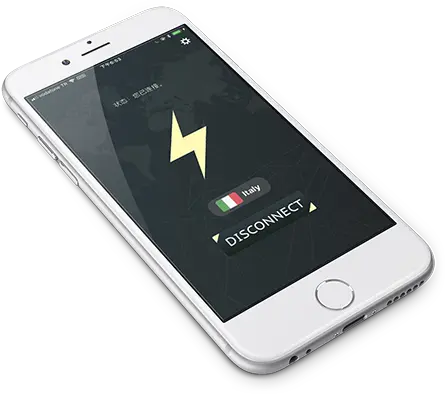
What is Unblock Master VPN?
Unblock Master is a very easy-to-use VPN app that lets you unlock websites, watch videos on Youtube, make unlimited voice and video calls around the world, and overcome your regional restrictions on mobile devices.
Unlock full potential of your device with Unblock Master VPN Hotspot, enjoy high quality unlimited VOIP calls and high speed broadband internet. Unblock Master VPN offers a secure path through public networks. Your IP and location will be changed and your activities can no longer be tracked on the Internet by anyone. Both mobile phones and tablets are supported by this VPN app.
- Unblock Master VPN keeps your privacy secured, reclaim your privacy!
- Changing IP address makes you anonymous on the internet.
- Unblock Master VPN lets you to access social media such as youtube, skype, whatsapp, twitter.
- Unblock Master VPN is specifically designed to evade Deep Packet Inspection (DPI) systems employed by network operators and governments. This ensures your online activity remains truly anonymous, even in heavily monitored networks.