

Your VR Headset Is Watching You: Here's What Gaming Companies Really Know
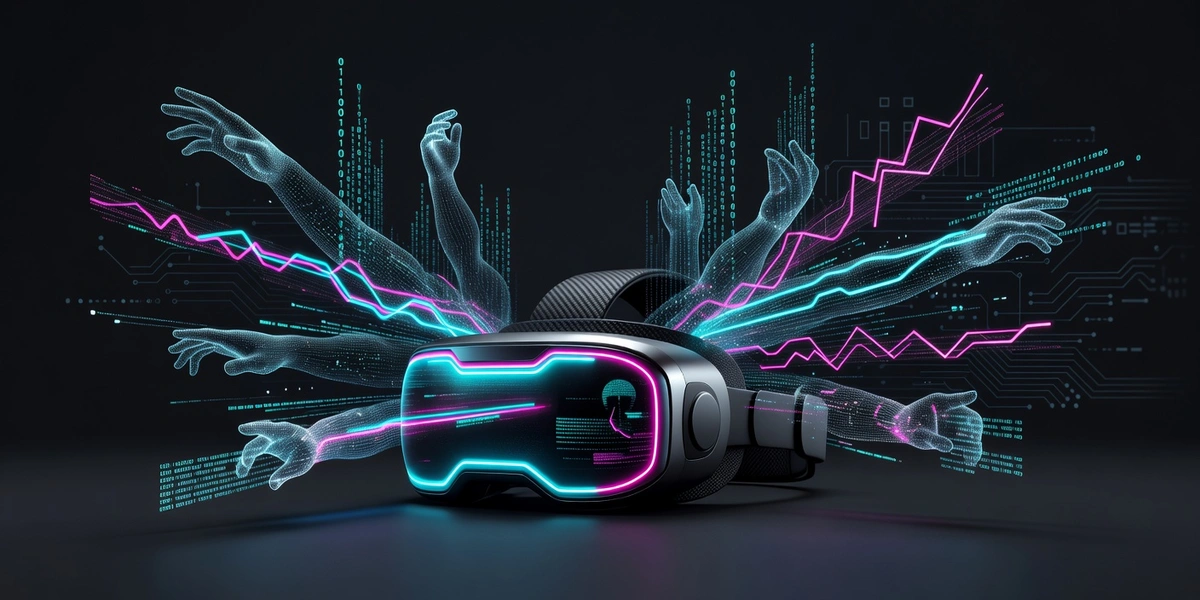
Your VR Headset Is Watching You: Here's What Gaming Companies Really Know
Hey there, privacy-minded friends! 👋
I've been diving deep into the world of virtual reality lately, and let me tell you – what I discovered about VR data collection will make you think twice about your next gaming session.
The Invisible Data Harvest
When you slip on that sleek VR headset, you're not just entering a virtual world – you're opening the door to one of the most comprehensive data collection operations in tech history.
Unlike traditional gaming where companies might track your clicks and preferences, VR headsets are essentially strapping sensors directly to your head. They're monitoring every tiny head movement, where you look, how long you stare at objects, and even subtle changes in your behavior that could reveal your emotional state.
Think about it: your VR headset knows if you flinched during a horror game, how you naturally move through space, and whether certain content makes you uncomfortable. That's incredibly intimate data!
What's Being Collected (And It's More Than You Think)
Here's what really got my attention during my research:
Biometric Data
- Head and eye movements with millimeter precision
- Hand gestures and natural reflexes
- Physical reactions to different content types
- Spatial movement patterns unique to each person
Behavioral Analytics
- What you look at and for how long
- Your emotional responses to different scenarios
- Social interactions with other VR users
- Gaming preferences and skill progression
Environmental Data
- Room layout and dimensions
- Other people present during sessions
- Audio recordings from your surroundings
The crazy part? This data is often more revealing than your browser history. Companies can build psychological profiles that predict your behavior, preferences, and even potential purchases with scary accuracy.
The Privacy Problem Nobody's Talking About
Here's where it gets concerning: most VR privacy policies are buried in legal jargon that nobody reads. And even when you do read them, they're often vague about exactly what data is collected and how it's used.
I've noticed that many people assume VR data stays on their device, but that's rarely the case. Most headsets are constantly syncing data to company servers, often without clear user consent for each type of data collection.
Real-World Implications
This isn't just theoretical privacy paranoia – there are real consequences:
- Advertising manipulation: Companies can target ads based on your subconscious reactions
- Insurance discrimination: Biometric data could potentially affect health or life insurance
- Employment screening: Future employers might access VR behavior profiles
- Data breaches: All this intimate data becomes a goldmine for hackers
Protecting Your VR Privacy
Don't worry – you don't have to give up VR gaming entirely! Here are my go-to strategies for protecting your privacy:
Use a VPN (Obviously!)
This is where Unblock Master VPN becomes your best friend. By routing your VR traffic through encrypted servers, you're adding a crucial layer of protection between your headset and data-hungry companies.
What I love about Unblock Master VPN:
- Military-grade encryption that keeps your VR sessions private
- No-logs policy – they don't store your activity data
- Fast speeds that won't lag your gaming experience
- Easy setup on your home router to protect all VR traffic
Review Those Privacy Settings
Take 10 minutes to actually dig through your headset's privacy settings. Turn off:
- Automatic data sharing
- Voice recording (when not needed)
- Location tracking
- Social media integration
Create a VR-Specific Network
Set up a separate network just for VR gaming. This limits what other device data can be correlated with your VR activities.
The Future of VR Privacy
Here's my honest take: VR privacy is only going to become more important as the technology advances. We're heading toward a world where virtual and augmented reality are part of daily life, not just gaming.
The companies collecting this data today are building the framework for tomorrow's privacy landscape. That's why it's crucial to establish good privacy habits now, before VR becomes as common as smartphones.
Bottom Line
VR technology is absolutely amazing – I'm not suggesting you avoid it entirely. But going in with your eyes wide open (pun intended) about data collection is essential.
By combining smart privacy practices with tools like Unblock Master VPN, you can enjoy incredible virtual experiences without sacrificing your personal privacy. It's all about finding that sweet spot between cutting-edge entertainment and protecting what matters most – your personal data.
Stay safe out there, and happy gaming! 🎮
What's your experience with VR privacy? Drop a comment and let me know if you've noticed any concerning data collection practices with your headset!
Tags: vr privacy, data collection, virtual reality security, online privacy, vpn protection, gaming privacy
Last update: March 21, 2026, 6:03 a.m.
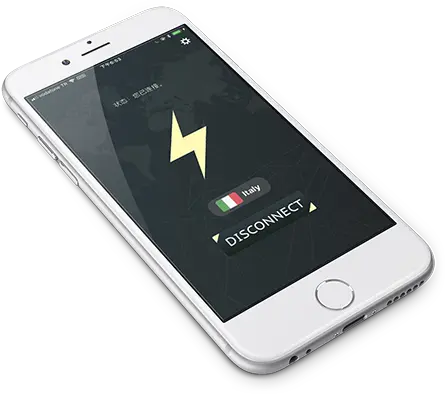
What is Unblock Master VPN?
Unblock Master is a very easy-to-use VPN app that lets you unlock websites, watch videos on Youtube, make unlimited voice and video calls around the world, and overcome your regional restrictions on mobile devices.
Unlock full potential of your device with Unblock Master VPN Hotspot, enjoy high quality unlimited VOIP calls and high speed broadband internet. Unblock Master VPN offers a secure path through public networks. Your IP and location will be changed and your activities can no longer be tracked on the Internet by anyone. Both mobile phones and tablets are supported by this VPN app.
- Unblock Master VPN keeps your privacy secured, reclaim your privacy!
- Changing IP address makes you anonymous on the internet.
- Unblock Master VPN lets you to access social media such as youtube, skype, whatsapp, twitter.
- Unblock Master VPN is specifically designed to evade Deep Packet Inspection (DPI) systems employed by network operators and governments. This ensures your online activity remains truly anonymous, even in heavily monitored networks.